EN
- Українська
- Русский
- English
- Deutsch
EN
- Українська
- Русский
- English
- Deutsch
A modern online store is more than just a product catalog with a shopping cart and a "buy" button. It is a comprehensive sales tool that must be user-friendly, fast, secure, and optimized for search engine promotion.
Effective online store development begins with understanding the business: what products are sold, who the target audience is, what goals the site must achieve, and how it will evolve after launch.
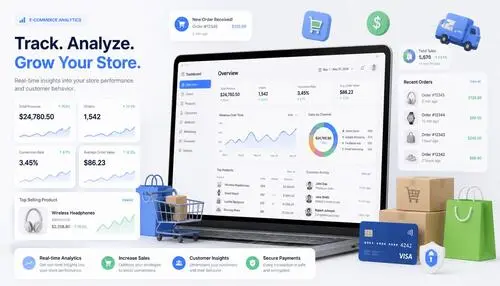
Many companies launch stores focusing solely on aesthetics. However, a successful project requires much more: a well-thought-out structure, a seamless user experience, and technical optimization.
A well-developed online store helps to:
Before development begins, it is essential to study the company's business model, product range, and market specifics.
This stage defines:
Proper analysis ensures the creation of a store that solves real business problems rather than simply looking attractive.
Once requirements are gathered, the structure of the future online store is created.
Key elements planned at this stage include:
A good structure helps visitors quickly find the products they need and increases the likelihood of a purchase.
An online store's design must be not only modern but also user-friendly.
Key considerations during development include:
The primary goal of the design is to make the purchasing process as simple as possible.
The site's full functionality is implemented during the development stage:
Depending on project requirements, various technologies and platforms may be used, such as WooCommerce, OpenCart, Laravel, custom solutions, and other tools.
The online store undergoes testing before launch.
Checks include:
This helps prevent post-launch issues and ensures the site runs reliably.
To attract customers from Google, SEO must be considered right from the development stage.
Important elements include:
SEO helps the store gradually gain more organic traffic and reduce reliance on paid advertising.
Creating an online store is just the beginning. To ensure steady growth, it is essential to regularly:
Developing the store after its launch helps increase sales and attract more customers.
Professional online store development is a comprehensive process that integrates design, programming, marketing, and SEO.
A well-built store becomes more than just a site displaying products; it becomes a powerful business growth tool that helps attract new customers and boost sales.